Unlock Packaging Excellence!

Stay ahead with the latest packaging innovations and insights from Clara Voss and Innovative Packaging Solutions.

Sterilizing and Reusing Seedling Trays


How to Properly Sterilize and Reuse Seedling Trays

Posted on: 2025-10-05
By: Clara Voss


Have you ever wondered why the cleanliness of your seedling trays can make or break your gardening success? Proper sterilization is not just a chore; it's a vital practice that lays the groundwork for thriving plants!

What You Will Learn

  • Clean seedling trays prevent the spread of pathogens and pests, ensuring healthier plants.
  • Reusing non-sterilized trays can lead to infection spread and compromised seed germination.
  • Essential supplies for sterilization include soap, disinfectants, and hot water for effective cleaning.
  • Choosing the right disinfectants, like vinegar or hydrogen peroxide, is crucial for plant safety.
  • Eco-friendly alternatives such as rubbing alcohol and natural disinfectants can effectively sterilize trays.
  • Following key steps in sterilization can significantly enhance the growth potential of your seedlings.

The Essential Steps for Sterilizing Seedling Trays

Ensuring healthy plant growth begins with proper tray sterilization. This visual guide outlines the key steps and benefits of maintaining clean seedling trays.

Why Sterilize?

  • Prevents diseases & bacteria
  • Optimizes seed germination
  • Reduces pest infestation

Risks of Non-Sterilized Trays

  • Infection spread (bacteria, fungi)
  • Compromised seed growth
  • Increased pest populations

Supplies Needed

  • Scrubbing brush/sponge
  • Soap (dish soap)
  • Disinfectants (H2O2, bleach)
  • Hot water & soaking bucket

Cleaning Agents

  • **Vinegar:** Natural, anti-bacterial
  • **Hydrogen Peroxide:** Disinfects, breaks down safely
  • **Bleach:** Powerful, use cautiously
  • **Rubbing Alcohol:** Kills bacteria/viruses

Sterilization Process

  • 1. Remove debris
  • 2. Wash with soap & water
  • 3. Disinfect (soak time)
  • 4. Rinse & dry thoroughly

Benefits of Proper Maintenance

  • Prevents bacteria & fungi spread
  • Enhances plant thriving potential
  • Leads to a more fruitful garden
  • Ensures a healthy ecosystem

Understanding the Importance of Sterilizing Seedling Trays

When it comes to nurturing healthy plants, one of the most critical steps is ensuring your seedling trays are properly sterilized. Clean seed trays are essential, as they prevent the spread of pathogens and pests that could harm your young plants. By taking the time to sterilize your trays, you're not just safeguarding your seedlings; you're also setting the stage for a thriving garden!

At Innovative Packaging Solutions, we understand the diverse needs of gardeners and plant enthusiasts. That's why I'm excited to share why clean seed trays play such a vital role in plant health.

Why Clean Seed Trays Are Essential for Healthy Plants

Using clean seed trays contributes significantly to the overall success of your gardening efforts. Here are some key reasons:

  • Prevention of Diseases: Dirty trays can harbor diseases that affect seedlings. For further details on disease prevention, consider resources like this guide from Purdue University Extension.
  • Optimal Growing Conditions: Sterilized trays provide a clean slate for seeds to germinate.
  • Reduced Pest Infestation: Clean trays are less likely to attract pests that can harm your plants.

By maintaining clean seed trays, you create a healthier environment for your plants to grow strong and robust, which is essential for any gardener.

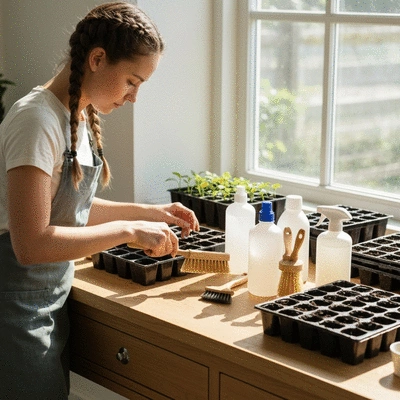
Gardener preparing to clean seedling trays with various cleaning supplies scattered on a workbench

The Risks of Reusing Non-Sterilized Trays

Reusing non-sterilized trays may seem convenient, but it comes with significant risks. If you skip this vital step, you could face:

  • Infection Spread: Bacteria and fungi can linger in old soil and plant residues, as highlighted in this article about sanitizing seed-starting supplies.
  • Compromised Seed Germination: Contaminants can inhibit seed growth and lead to poor yields.
  • Increased Pest Populations: Unclean trays may attract unwanted pests, threatening your new seedlings.

In my experience, taking the time to sterilize ensures a smoother growing process, ultimately leading to a more productive garden.

Gathering Essential Supplies for Effective Cleaning

Now that we understand the importance of clean seed trays, let’s talk about the supplies you’ll need for effective cleaning. Gathering the right materials makes the process smoother and ensures thorough sterilization.

What You Need to Sterilize Seedling Trays

To get started, here are the essential supplies for sterilizing your seedling trays:

  • Scrubbing brush or sponge
  • Soap (dish soap works well)
  • Disinfectants (like hydrogen peroxide or bleach)
  • Hot water
  • A bucket or sink for soaking

Having these items ready simplifies the process and helps you focus on providing the best care for your plants.

Choosing the Right Disinfectants: Vinegar, Hydrogen Peroxide, and Bleach

Choosing the right disinfectant is crucial for effective sterilization. Here are a few options to consider:

  • Vinegar: A natural option that's effective against certain bacteria.
  • Hydrogen Peroxide: Great for disinfecting, it breaks down into harmless water and oxygen.
  • Bleach: A powerful disinfectant, but must be used carefully to avoid harming plants. You can find more information on using bleach for sterilization in this guide from Texas A&M AgriLife Extension.

Each option has its unique benefits, but it's essential to consider what works best for your gardening needs.

Exploring Alternative Cleaning Agents: Rubbing Alcohol and Natural Disinfectants

If you're interested in more eco-friendly alternatives, consider these options:

  • Rubbing Alcohol: Effective in killing bacteria and viruses on surfaces.
  • Natural Disinfectants: Products like tea tree oil or lemon juice can serve as gentler options.

Choosing less harsh cleaning agents can be a great way to practice sustainability while still protecting your seedlings!

Pro Tip

For an effective sterilization process, consider using a solution of 1 part bleach to 9 parts water. Soak your trays for at least 10 minutes to ensure all pathogens are eliminated, providing your seedlings with a safe and clean environment to thrive.

Frequently Asked Questions About Sterilizing Seedling Trays

Q1: Why is sterilizing seedling trays so important?

A1: Sterilizing seedling trays is crucial because it prevents the spread of diseases, bacteria, and pests that can harm young plants. It ensures optimal growing conditions and successful seed germination, leading to healthier and more robust seedlings.

Q2: What are the risks of not sterilizing seedling trays before reuse?

A2: Reusing non-sterilized trays can lead to several problems, including the spread of infections (bacteria and fungi), compromised seed germination, poor plant growth, and an increased likelihood of pest infestations. This can result in significant crop losses.

Q3: What supplies do I need to sterilize seedling trays effectively?

A3: Essential supplies include a scrubbing brush or sponge, dish soap, disinfectants (such as hydrogen peroxide, bleach, or vinegar), hot water, and a bucket or sink for soaking the trays.

Q4: What are the recommended disinfectants for seedling trays, and how should they be used?

A4: Common disinfectants include vinegar (natural and antibacterial), hydrogen peroxide (disinfects and breaks down safely), and bleach (powerful, but requires careful use, typically diluted to 1 part bleach to 9 parts water with a 10-minute soak). Rubbing alcohol can also be effective.

Q5: Can I use eco-friendly alternatives for sterilizing trays?

A5: Yes, eco-friendly options like rubbing alcohol are effective against bacteria and viruses. Natural disinfectants such as diluted tea tree oil or lemon juice can also be used as gentler alternatives, contributing to sustainable gardening practices.

Recap of Key Steps for Successfully Sterilizing Seedling Trays

It’s important to keep in mind the essentials of sterilizing seedling trays effectively. By following the right procedures, you can ensure your plants are off to a healthy start. Here’s a concise recap of the sterilization process:

  • Remove any debris from the trays before cleaning.
  • Wash the trays thoroughly with soap and water.
  • Choose an appropriate disinfectant, such as hydrogen peroxide or bleach solutions.
  • Let the trays soak for the recommended time to ensure effective sterilization.
  • Rinse and dry the trays before storing them.

Each of these steps contributes significantly to the overall health of your seedlings. When you prioritize cleanliness, you’re enhancing the growth potential of your plants, which is something we at Innovative Packaging Solutions firmly believe in!

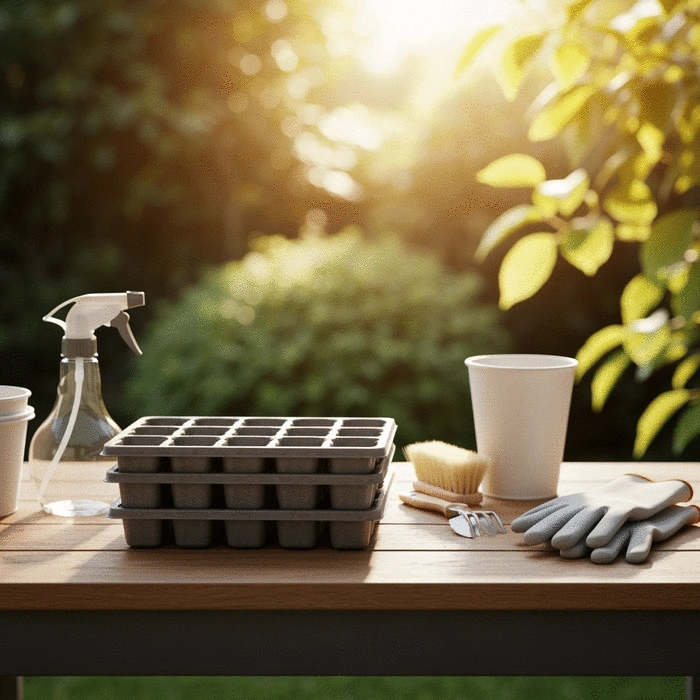
Clean and sterilized seedling trays drying in the sun, ready for reuse

Final Thoughts on the Benefits of Proper Seed Tray Maintenance

Maintaining clean seed trays can seem like a tedious task, but the benefits are undeniable. First, it prevents the spread of bacteria and fungi, which can wreak havoc on your seedlings. Second, having sterilized trays means your plants have a better chance of thriving, leading to a more fruitful garden or greenhouse.

Additionally, investing time in proper tray maintenance aligns with our mission at Innovative Packaging Solutions. Just like we prioritize quality and sustainability in our packaging materials, you should prioritize the health of your plants. It's all about creating a thriving ecosystem, whether it’s in packaging or gardening!

Encouragement to Share Your Experience and Tips

Join the Community: Share Your Thoughts on Sterilizing Seedling Trays

We love hearing from fellow gardening enthusiasts! Have you tried sterilizing seedling trays before? What techniques worked best for you? Sharing experiences can help strengthen our community and benefit others who might be struggling with the same processes. Let’s learn from each other!

Feel free to reach out and share your tips on sterilizing seedling trays or any challenges you've faced. Your insights might just inspire someone else to get started on their gardening journey!

Feedback and Questions: Let Us Know How It Worked for You!

Your feedback is essential! We want to know how your sterilization process went and if there are any questions lingering in your mind. Did the methods we discussed meet your expectations? Are there any specific challenges you encountered?

At Innovative Packaging Solutions, we value open communication and continuous improvement. Drop us a comment or send us a message—your experience could help shape future discussions and content!

Recap of Key Points

Here is a quick recap of the important points discussed in the article:
  • Clean seed trays prevent the spread of diseases and pests.
  • Reusing non-sterilized trays can compromise seed germination and increase pest populations.
  • Gather essential supplies such as scrubbing brushes, soap, and disinfectants for effective cleaning.
  • Choose appropriate disinfectants like hydrogen peroxide or vinegar for sterilization.
  • Follow key steps for sterilizing trays: remove debris, wash, disinfect, soak, rinse, and dry.

Subscribe & Share
Planting Trays or Seedbeds? Compare. Planting Trays vs. Traditional Seedbeds: Pros and Cons Choosing the right planting method can significantly impact your gardening success. As a gardener, u
Custom Body Wash Bottle Options Customizable Body Wash Bottles: Options and Benefits As brands strive to resonate with an increasingly personalized consumer base, the packaging of produ
Benefits of Microwave-Safe Dessert Cups Advantages of Microwave-Safe Dessert Cups for Foodservice In the world of foodservice, presentation and convenience are key. By embracing microwave-safe desse
Banner
Innovative Packaging Solutions

Your go-to resource for high-quality, sustainable packaging materials. We help businesses across diverse sectors with innovative solutions tailored to their unique needs and practical guidance.

Trusted by leading manufacturers and suppliers, our mission is to provide reliable, easy-to-implement insights backed by over a decade of industry expertise.

Discover Our Solutions
Recent Posts
Planting Trays vs. Traditional Seedbeds: Pros and Cons Planting Trays or Seedbeds? Compare.

Choosing the right planting method can significant

Customizable Body Wash Bottles: Options and Benefits Custom Body Wash Bottle Options

As brands strive to resonate with an increasingly

Advantages of Microwave-Safe Dessert Cups for Foodservice Benefits of Microwave-Safe Dessert Cups

In the world of foodservice, presentation and conv

Packaging Insights from Clara Voss