Have you ever wondered how the right tools can transform your gardening experience? Understanding the nuances between seedling trays and planting trays can be the game-changer you didn’t know you needed!
Benefit: Space efficiency, consistent moisture, ease of monitoring, high germination rates (e.g., 90%).
Planting Trays
Primary Use: Transferring seedlings to garden/larger pots.
Key Feature: Simpler design, often without individual cells, larger capacity.
Benefit: Facilitate transplanting, improved airflow, versatile for various plant types.
Understanding Seedling Trays and Planting Trays
As a seasoned expert in the packaging industry, I’ve come to appreciate the vital role that seedling trays and planting trays play in nurturing young plants. Whether you're a home gardener or a professional grower, understanding these trays is essential for effective germination and growth. Let’s dive into what makes each type unique and how they can benefit your gardening endeavors!
What Are Seedling Trays?
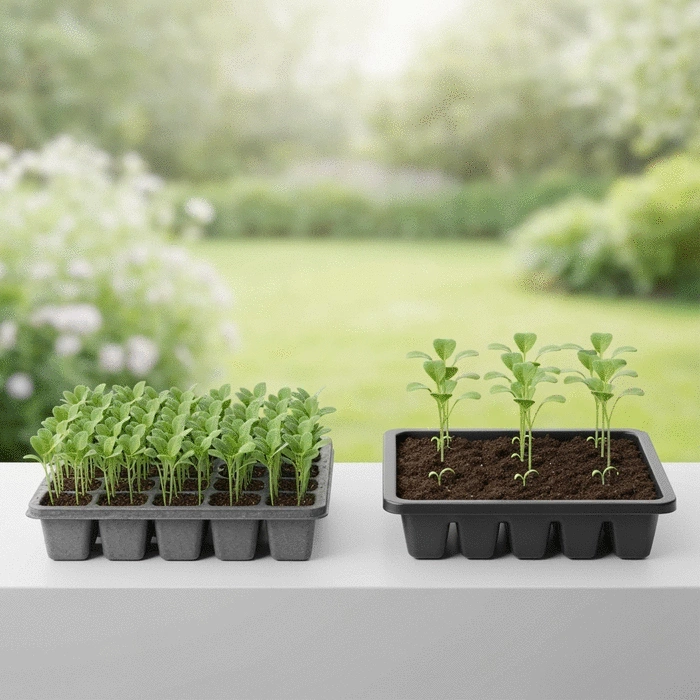
Seedling trays are specialized containers designed to support the early stages of plant growth. They come in various sizes and configurations, typically featuring multiple cells that allow you to start several seeds in one tray. This efficient use of space is especially advantageous for urban gardeners or those with limited outdoor areas!
Key Features of Seedling Trays
Individual Cells: Each cell provides a distinct space for seeds to germinate, reducing root entanglement.
Drainage Holes: Essential for preventing overwatering, these holes ensure that excess water can escape.
The individual cells of seedling trays are designed to help you manage different plants at varying growth stages. This feature not only promotes healthy root development but also simplifies transplanting later on. For optimal results, some gardeners even use covered trays to enhance seed germination, particularly for sensitive crops like summer lettuce.
Benefits of Using Seedling Trays for Germination
Space Efficiency: Maximize your gardening area by starting multiple seeds in a compact tray.
Consistent Moisture: Trays help maintain a steady moisture level, ideal for seed germination.
Ease of Monitoring: It’s easy to keep an eye on your seedlings and adjust conditions as needed!
By using seedling trays, you not only enhance germination rates but also make the process of caring for young plants much simpler and more organized.
What Are Planting Trays?
Planting trays are slightly different from seedling trays, as they are primarily used for transferring seedlings into the garden or larger pots. These trays usually feature a simpler design, often without individual cells, making it easier to plant multiple seedlings at once.
Characteristics of Planting Trays
Larger Capacity: Most planting trays can hold larger quantities of soil and plants.
Simple Design: Many are flat, making it easier to access multiple plants at once.
Stability: Designed to support the weight of soil and plants as they grow.
The sturdy build of planting trays ensures that they can withstand the varying weights and needs of your growing plants. This stability is crucial, especially when transferring them to different locations!
How Planting Trays Support Seedling Growth
Facilitate Transplanting: Their design makes it simple to move seedlings from trays into gardens or pots.
Improve Airflow: Enhanced airflow around the roots promotes healthy growth.
Versatility: They can be used for a variety of plant types, from flowers to vegetables.
With planting trays, you’ll find that transitioning seedlings to their permanent home is more manageable. This ease of transfer can make all the difference in the success of your gardening efforts!
Comparative Analysis: Seedling Trays vs. Planting Trays
As you embark on your gardening journey, it’s important to understand the differences between seedling trays and planting trays. Both have unique features that fulfill specific roles, so let’s explore how they compare!
Pro Tip
When selecting seedling trays, consider the material that best suits your gardening style. Biodegradable options are great for eco-conscious gardeners, while plastic trays offer durability and reuse potential. Always ensure that your trays have adequate drainage to promote healthy root growth!
Frequently Asked Questions (FAQs)
Q: What is the primary difference between seedling trays and planting trays?
A: Seedling trays typically feature individual cells for germinating seeds and supporting early growth, preventing root entanglement. Planting trays, on the other hand, usually have a simpler, often cell-less design and are primarily used for organizing and transferring seedlings before they are moved to their final growing location.
Q: Why are individual cells important in seedling trays?
A: Individual cells provide each seed with its own space, which helps prevent roots from tangling with those of neighboring plants. This design promotes healthier root development and makes transplanting much easier, as each seedling can be removed with its root ball intact.
Q: What are the benefits of using biodegradable trays?
A: Biodegradable trays offer an environmentally friendly alternative to plastic. They decompose naturally, reducing waste and contributing to soil health. This aligns with sustainable gardening practices and can be particularly beneficial if you're looking to minimize your environmental footprint.
Q: How do planting trays facilitate transplanting?
A: Planting trays, with their larger capacity and open design, make it simple to organize and move multiple seedlings at once. Their sturdy construction supports the weight of soil and plants, reducing the risk of damage during the transfer process from smaller seedling trays to larger pots or directly into the garden.
Q: Can I use planting trays for starting seeds?
A: While planting trays can technically hold soil and seeds, they lack the individual cell structure of seedling trays. This means seeds sown directly into planting trays may experience root entanglement and less organized growth, which can make subsequent transplanting more challenging. For optimal germination and early growth, seedling trays are generally recommended.
Real-Life Applications and Experiences
At Innovative Packaging Solutions, we love hearing how our products make a difference in the gardening community. Seedling trays and planting trays are essential tools for any gardener, and the feedback we receive from experienced gardeners really highlights their importance. Many have shared their personal stories about how the right trays have impacted their gardening success!
One gardener, for example, said that switching to our biodegradable planting trays transformed her seed starting process. She found that the roots of her seedlings thrived, leading to healthier plants ready for transplanting. It's testimonials like these that inspire us to keep innovating and offering quality solutions tailored to every gardener's needs! The effectiveness of such tools in promoting plant health has been extensively documented in research, as seen in this study on the impact of seedling trays on vegetable growth.
Testimonials from Experienced Gardeners
Emily G.: "The seedling trays from Innovative Packaging Solutions are my go-to! They allow for great airflow and drainage, which has improved my germination rates."
Mark T.: "Switching to planting trays has made it so much easier to manage my seedlings. I love how they are sturdy yet lightweight!"
Sara L.: "I appreciate the eco-friendly options. It feels good to use products that are sustainable and effective!"
These testimonials reflect a common theme—gardeners value not just the functionality of our trays, but also their role in supporting sustainable practices. We’re proud to contribute to their gardening journeys!
Case Studies: Successful Seedling Growth with Different Tray Types
Case Study 1: A local community garden utilized our seedling trays for starting their vegetable plants. The results? An impressive 90% germination rate across various seeds!
Case Study 2: An urban gardener tested our planting trays in her limited space. She reported that the trays allowed her to maximize her yield by ensuring each plant received adequate light and nutrients.
Case Study 3: A horticulturalist focused on organic practices used our biodegradable trays. She noted that they decomposed naturally, enriching the soil while supporting her plants' growth.
These case studies not only showcase the diverse uses of our trays but also highlight how they can effectively support different gardening styles and goals. It’s rewarding to see our products in action, helping gardeners succeed and flourish!
Summarizing Key Insights on Tray Selection
As we reflect on the experiences shared by gardeners, it's clear that the right choice between seedling trays and planting trays can lead to impressive growth and productivity. Whether you’re a novice or a seasoned green thumb, understanding these trays' real-life applications can guide you in making the best decision for your gardening adventures.
Recap of Key Points
Here is a quick recap of the important points discussed in the article:
Seedling Trays: Designed with individual cells and drainage holes for optimal germination and root development.
Planting Trays: Simplified design without individual cells, perfect for transferring seedlings to gardens or larger pots.
Efficiency: Both tray types maximize space and facilitate effective monitoring of seedlings.
Material Options: Available in various materials including biodegradable choices, catering to environmental preferences.
Real-Life Success: Testimonials and case studies highlight the significant impact of using the right trays on plant growth and sustainability.
Your go-to resource for high-quality, sustainable packaging materials. We help businesses across diverse sectors with innovative solutions tailored to their unique needs and practical guidance.
Trusted by leading manufacturers and suppliers, our mission is to provide reliable, easy-to-implement insights backed by over a decade of industry expertise.
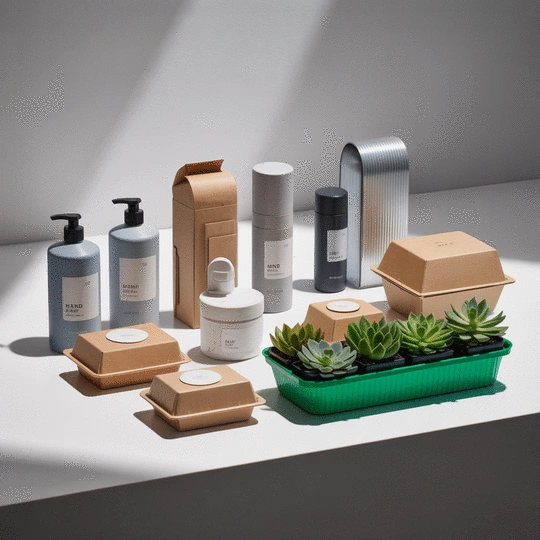
Tip — Selecting the right material for your hand wash bottles ensures product integrity and consumer safety. Consider PET for clarity and durability!
Tip — For cosmetic packaging, sustainable options like PCR plastics can significantly boost your brand's eco-friendly image without compromising quality.
Tip — Enhance customer satisfaction with disposable food containers that are not only leak-proof but also microwave-safe, providing ultimate convenience.
Tip — Optimize plant growth with planting trays designed for proper drainage and aeration, crucial for healthy root development.
Tip — Partner with a packaging supplier who offers custom solutions to perfectly align with your product's unique requirements and brand aesthetic.