Polystyrene Cups (Baseline)
Environmental Impact: Major contributor to pollution, takes hundreds of years to decompose.
- Pollution: High litter.
- Wildlife: Ingestion risk.
- Landfills: Centuries to decompose.
High Environmental Burden
Stay ahead with the latest packaging innovations and insights from Clara Voss and Innovative Packaging Solutions.
Posted on: 2025-09-28
By: Clara Voss
As the world grapples with the growing environmental crisis, the call for change becomes louder. Eco-friendly alternatives to traditional products are not just trends but essential steps toward a sustainable future. Are you ready to explore how simple changes can lead to a substantial impact?
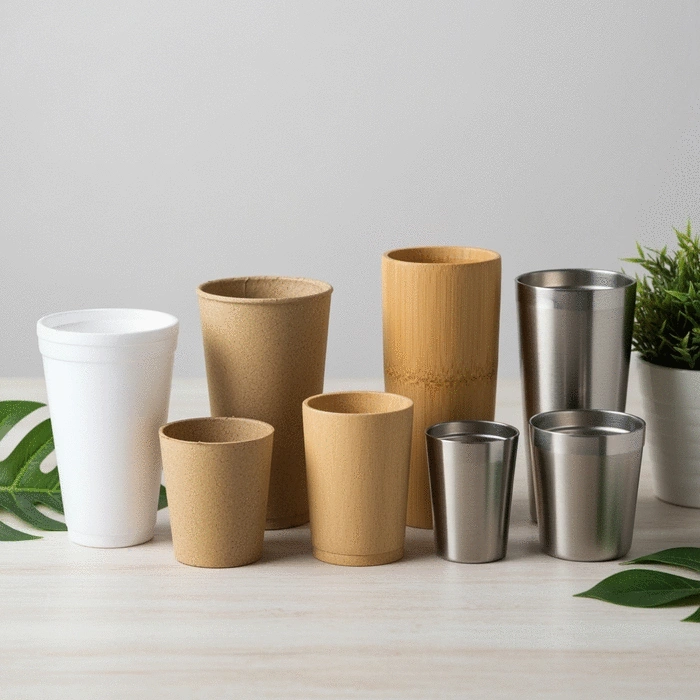
This comparison highlights key attributes of various eco-friendly cup options, contrasting them with traditional polystyrene cups and outlining their benefits and limitations.
Environmental Impact: Major contributor to pollution, takes hundreds of years to decompose.
Material: Bioplastic from cornstarch.
Material: Natural bamboo fiber.
Material: Sugarcane fiber remains.
Material: Polypropylene with minerals.
Material: Stainless steel, glass, silicone.
When we think about polystyrene cups, we often overlook their significant environmental impact. These cups are not just a convenient option; they are a major contributor to pollution. Polystyrene, a type of plastic, is notorious for its durability, which ironically means it doesn't break down easily, posing a serious threat to wildlife and ecosystems.
Consider this: every year, millions of these cups end up in landfills, where they can remain for hundreds of years. Not only do they take up valuable space, but they also release harmful chemicals into the soil and waterways as they degrade. This environmental burden has sparked a growing concern among consumers and businesses alike.
As we continue to witness the effects of climate change, it becomes increasingly clear that we need to rethink our choices. Seeing the damage firsthand has motivated me to advocate for sustainable alternatives in our packaging solutions.
In recent years, there's been a noticeable shift in consumer behavior. Individuals are actively seeking eco-friendly products, and businesses are responding. According to recent market research, over 70% of consumers prefer brands that commit to sustainability. This trend is reshaping the packaging industry, pushing us to innovate and provide greener options. For instance, a report by Greenpeace highlights the growing demand for reusable solutions, emphasizing the consumer drive toward sustainability.
At Innovative Packaging Solutions, we have embraced this change. Our dedication to quality and sustainability drives us to offer packaging materials that meet these rising demands. This is not just a trend; it's a movement towards a more responsible way of living.
PLA-lined paper cups are becoming a popular alternative to traditional polystyrene options. Made from a form of bioplastic derived from cornstarch, these cups offer a biodegradable solution that breaks down more easily in composting environments. However, challenges in their disposal exist, as further discussed in an article on how eco-friendly paper takeaway cups truly are.
While they are an excellent choice for many applications, it's important to consider local composting capabilities when choosing these cups. At Innovative Packaging Solutions, we strive to ensure that our clients understand the most effective ways to implement these alternatives.
Bamboo cups represent a unique fusion of style and sustainability. Durable and lightweight, they can withstand various temperatures and conditions, making them an excellent choice for eco-conscious consumers.
As we continue to explore materials that not only serve a purpose but also look great, bamboo is a fantastic choice for those looking to make a statement with their eco-friendly products.
Bagasse cups, made from the fibrous remains of sugarcane, provide an innovative way to utilize agricultural waste. These cups are fully biodegradable and have a unique set of benefits.
Using bagasse is a step towards a circular economy, and at Innovative Packaging Solutions, we’re excited to offer such sustainable choices.
Mineral-filled polypropylene cups are a more economical alternative that offers a unique blend of properties. They can be recycled, adding to their appeal as a less harmful choice.
While they present some recycling challenges, they still offer a viable option for businesses looking to balance cost with sustainability.
Exploring reusable cups, such as stainless steel, glass, and silicone, can significantly reduce reliance on single-use plastics. The future of single-use paper coffee cups also points towards the importance of sustainability and recyclability, as highlighted by research on their current progress and outlook.
By choosing reusable options, not only do we minimize waste, but we also cultivate a culture of sustainability. At Innovative Packaging Solutions, we’re committed to helping our clients find the best solutions that align with their values and environmental goals.
When selecting eco-friendly cups, consider not just their material but also the end-of-life options available. For instance, if you choose PLA-lined paper cups, ensure that your local facilities can compost them effectively. This small step can make a significant difference in reducing waste and supporting a circular economy.
As we navigate the world of eco-friendly cups, it’s essential to understand what sets these alternatives apart from traditional polystyrene options. When choosing an eco-friendly cup, you can expect several key characteristics that not only support sustainability but also enhance user experience. Here’s what to look for:
Understanding these characteristics can empower you to make choices that align with your values. After all, every cup counts in the fight against plastic waste!
When diving into eco-friendly cups, it’s crucial to differentiate between biodegradable and compostable options. Both types offer environmentally friendly solutions, but they function differently.
Choosing the right option depends on your usage and disposal capabilities. As the owner of Innovative Packaging Solutions, I can assure you that selecting biodegradable or compostable cups can significantly reduce your ecological footprint.
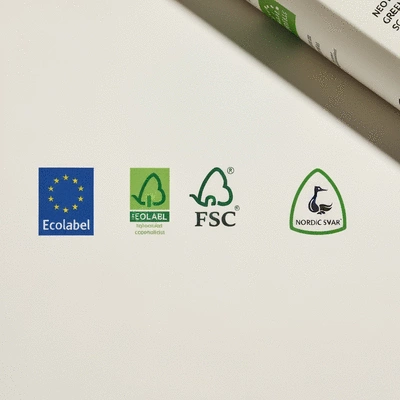
As consumers and businesses become more environmentally conscious, eco labels and green certifications have emerged as trustworthy guides for making sustainable product choices. These labels indicate compliance with specific environmental standards, helping you identify genuine eco-friendly products.
When you see these labels, you can feel confident that you’re making a choice that supports sustainability. At Innovative Packaging Solutions, we prioritize providing products that carry these certifications, ensuring our clients can make informed decisions for their businesses.
Polystyrene cups are a major source of pollution, take hundreds of years to decompose in landfills, and pose a significant threat to wildlife through ingestion and habitat contamination.
PLA-lined paper cups use a bioplastic made from cornstarch as a lining, making them compostable and more environmentally friendly than traditional paper cups, which often use petroleum-based plastic linings.
Yes, bamboo cups are durable and can withstand various temperatures, making them generally suitable for both hot and cold beverages. However, they are typically not microwave safe.
Bagasse cups are made from the fibrous remains of sugarcane, which is an agricultural waste product. This makes them a sustainable option as they utilize existing waste and are fully biodegradable.
Biodegradable cups break down naturally over time in various natural environments. Compostable cups, however, require specific conditions found in industrial composting facilities to break down into nutrient-rich compost.
Now that you’re equipped with knowledge about eco-friendly cups, I encourage you to share your experiences with these products in your community! Whether you’re a business owner or a consumer, spreading the word about sustainable options can foster a culture of environmental responsibility. Consider engaging in conversations, organizing local events, or even creating a social media campaign to advocate for the adoption of eco-friendly cups.
Remember, small steps can lead to significant changes. Together, we can inspire others to join the movement toward reducing plastic waste and embracing sustainable alternatives!
Are you ready to make the switch to eco-friendly cups? I invite you to explore your options today! Take the time to research various products, connect with vendors, and consider how these sustainable choices can fit into your life or business.
At Innovative Packaging Solutions, we offer a range of eco-friendly cup options designed to meet your needs without compromising quality. Let’s work together to reduce plastic waste and promote a cleaner, greener future!
Here is a quick recap of the important points discussed in the article: